

Current Rangeland Events: Arctic Wildlife Refuge

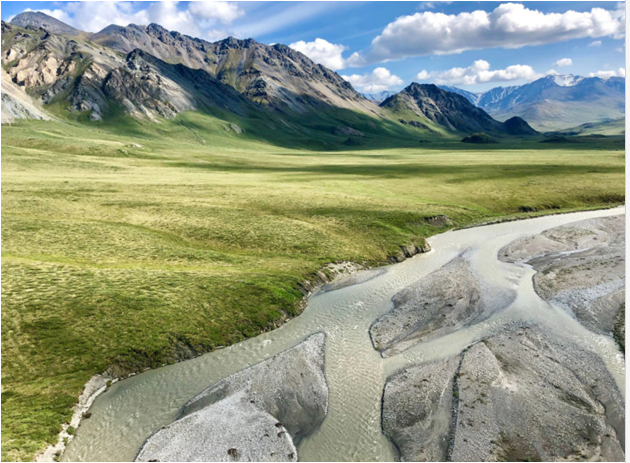
An often-overlooked rangeland biome, Alaskan tundra has recently taken a national spotlight in a debate between environment and economics. The Arctic National Wildlife Refuge was established in the 1960s in order to preserve tundra habitat and various indigenous species in the North Slopes region of the state. While federally protected from development, it is known to contain massive oil reserves. These same oil reserves attracted the attention of the Trump administration in its bid for increased resource extraction and manufacturing. This has locked the federal government into a year-long legal battle against indigenous and environmental organizations seeking to retain the area’s protected status. As is nearly universal in natural resource debates, it is impossible to argue for the fate of the North Slopes without also considering the people and communities intertwined with them. Below we have collected a list of arguments utilized for and against opening drilling of the area, as part of our interest in current events in rangeland conservation and management.
Arguments for drilling in the ANWR:
-Northern Alaska’s oil reserves are significant and not tapped to their fullest potential. If the United States wishes to become self-reliant on oil, the Trump administration argues that surveying and extraction in Alaska must increase.
-Drilling in the ANWR has gained support from some Alaska Native communities and elected leaders, who believe that the influx of middle class jobs brought by extraction is a greater benefit to locals than the degradation of the ecosystem is a deterrent. Northern Alaska has high unemployment rates due to a lack of economic opportunity and employers.
Arguments Against Drilling in the ANWR:
-The ANWR provides minimally disturbed habitat for many threatened species and the area is a key component of their survival and reproductive success. Caribou, polar bears, and migratory birds all use the land as breeding and calving grounds in the warm months. Introducing oil extraction would almost certainly lead to a reduction in population of these at-risk species.
-The ANWR includes land sacred to the Gwich’in people. Members of the nation believe that the land is the site of their creation and use the area for subsistence hunting of caribou. In northern Alaska, where supermarkets stock poor quality and prohibitively expensive food, any negative impact on the caribou population would mean a spike in malnutrition and food insecurity. Additionally, the Gwich’in traditional diet is almost entirely dependent on the area’s indigenous wildlife. Shifting the nation’s diet to the processed, mainstream diet consumed by the majority of Americans and Canadians in food-insecure regions -high in affordable, processed foods- could bring about adverse health problems similar to those found in indigenous populations elsewhere on the North American continent and in Polynesia: increased chronic illness and obesity and decreased life expectancy.
-As many members live in isolated villages in the area and embrace what components they can of a traditional lifestyle, encroachment and destruction of these preserved lands is viewed as a direct attack on the sovereignty and self-determination of the Gwich’in and other Alaska Native and First Nations groups.
At the time of this article’s publication, much of the ANWR’s coastal plain has been opened to developers, but no bids have been entered; drilling companies likely fear strong public backlash for what will be an exploratory venture. In November, the Alaska Department of Law filed an appeal in the 9th U.S. Circuit Court against an 11-year-old ruling that granted 20,000 acres to the west of the refuge to the federal government. If the court favors the state of Alaska in their ruling, those 20,000 acres will be transferred to the state’s control. At the current time, the state appears to be interested in leasing the land to oil and gas developers.
Written by: August Brown
Sources: Alaska Beacon, environmentamerica.org, Courthouse News Service



Comments